

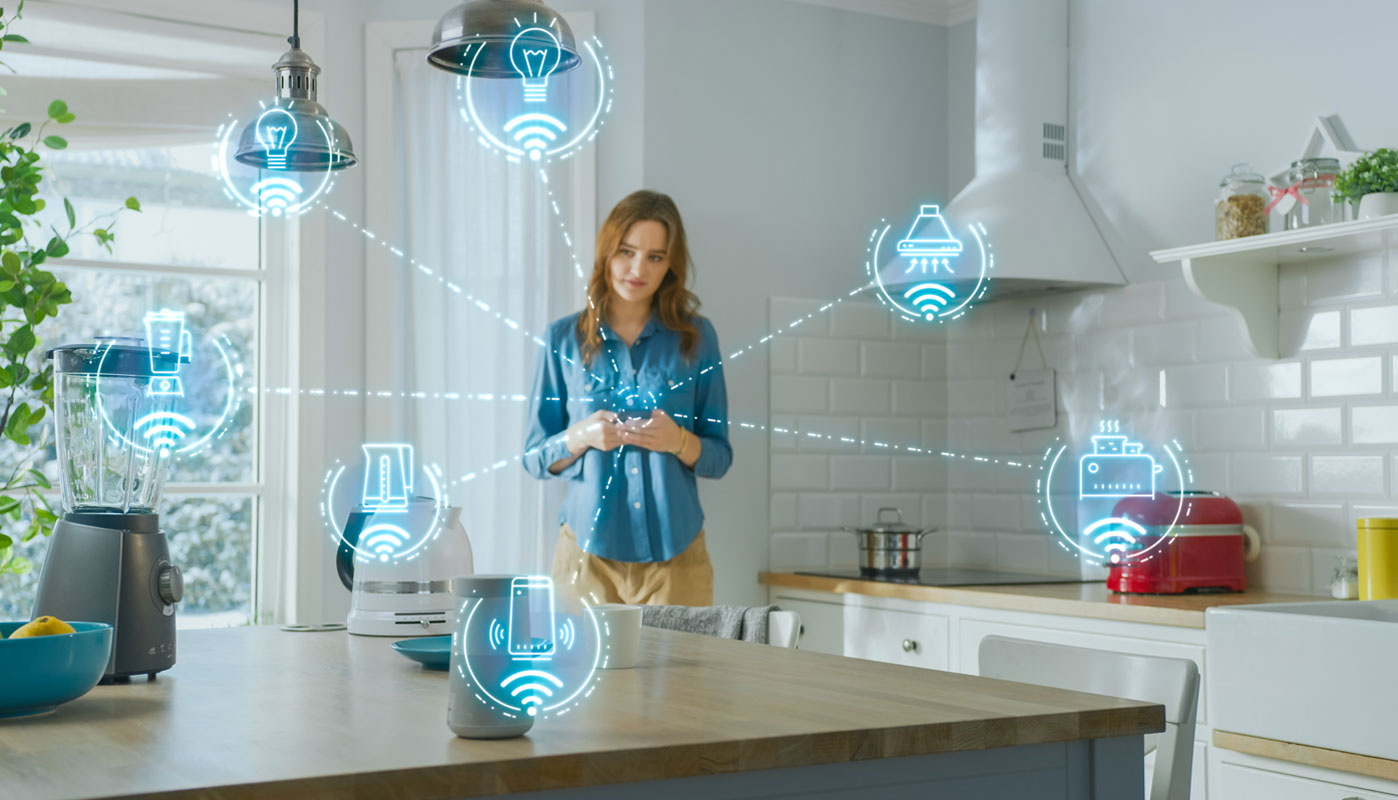
Smart home technology has transformed the way we interact with our living spaces. From controlling lighting to managing security systems remotely, modern innovations offer convenience, efficiency, and enhanced safety. Homeowners are increasingly adopting devices that allow them to automate daily tasks, reduce energy consumption, and monitor their homes from anywhere in the world. Smart home ecosystems integrate seamlessly with smartphones, tablets, and voice-controlled assistants, making it easy to manage multiple devices simultaneously. Whether it’s setting your thermostat automatically or scheduling lighting to match your daily routine, smart home technology offers personalized solutions for every lifestyle. As technology evolves, the possibilities for smarter homes continue to expand, making everyday living simpler and more efficient.
Home Automation Systems: Streamlining Daily Life
Home automation systems are at the heart of modern smart homes. These systems connect various devices—thermostats, lights, cameras, and appliances—into a single network, enabling centralized control. Users can program automated routines, such as turning off all lights when leaving home or adjusting the temperature before arriving. Advanced systems also offer remote access through mobile apps, allowing homeowners to monitor energy usage, detect malfunctions, and enhance security from any location. Integration with artificial intelligence enables these systems to learn habits over time, making predictions and adjustments to optimize comfort and efficiency. Home automation systems not only improve convenience but also contribute to energy savings and a safer living environment, proving themselves essential in contemporary smart homes.
Smart Home Security: Safety at Your Fingertips
Smart home security has redefined the way we protect our homes. Security cameras, smart locks, and motion sensors can now be controlled remotely, providing real-time alerts and live monitoring. Many smart security devices integrate with other home automation systems, allowing homeowners to receive notifications on smartphones, trigger alarms, and even communicate with visitors at the door. Smart home security enhances peace of mind by providing constant surveillance, even when residents are away. Features like facial recognition, video recording, and automated emergency responses make modern security systems far more effective than traditional options. As threats evolve, integrating smart technology into security solutions ensures that homes remain safe while offering users full control and transparency over their property.
Smart Lighting Solutions: Energy Efficiency and Ambiance
Smart lighting solutions are more than just a modern convenience—they enhance both ambiance and energy efficiency. With automated schedules, dimming options, and color customization, homeowners can tailor lighting to match their mood or specific tasks. Smart bulbs and fixtures can also sync with home automation systems, allowing lights to adjust automatically based on occupancy, natural light levels, or time of day. These systems not only reduce electricity consumption but also contribute to sustainable living practices. Voice-controlled lighting adds another layer of ease, enabling users to turn lights on or off, dim, or change colors without touching a switch. By combining style, functionality, and eco-friendly benefits, smart lighting solutions have become a cornerstone of modern smart home design.
Integration and Connectivity: Creating a Unified Smart Home
The true power of smart home technology lies in integration. Devices like thermostats, lights, cameras, and home appliances work best when connected in a unified system. Voice assistants such as Amazon Alexa or Google Assistant facilitate seamless communication between devices, enabling homeowners to control multiple systems with simple commands. This connectivity not only simplifies daily routines but also enhances overall efficiency, from energy management to security monitoring. The ability to monitor and control home functions remotely ensures flexibility for busy households. Additionally, integration allows for personalized automation, such as setting lights to gradually brighten in the morning or activating security cameras when leaving the house. A connected ecosystem ensures a smarter, safer, and more enjoyable living experience.
The Benefits of Investing in Smart Home Technology
Investing in smart home technology offers numerous advantages. Convenience is perhaps the most obvious benefit, with automation simplifying everyday tasks and reducing manual effort. Energy efficiency is another key advantage, as smart devices optimize power consumption and reduce utility bills. Enhanced security provides peace of mind, with remote monitoring and instant alerts for potential issues. Furthermore, smart home technology can increase property value, appealing to buyers seeking modern, connected living spaces. For homeowners with busy schedules, smart home systems save time and effort while maintaining comfort and safety. As the technology continues to advance, these benefits will only expand, making smart homes increasingly indispensable in the modern lifestyle.
Conclusion
Smart home technology, home automation systems, smart home security, and smart lighting solutions are no longer futuristic concepts—they are practical tools that enhance comfort, safety, and efficiency. By integrating these technologies into a unified system, homeowners can enjoy unparalleled control over their living spaces, reduce energy usage, and create a more personalized environment. Whether it’s automating daily routines, ensuring security, or enhancing ambiance, smart home technology offers solutions that meet the demands of modern life. As the market continues to grow, embracing these innovations promises a smarter, safer, and more sustainable way of living.