

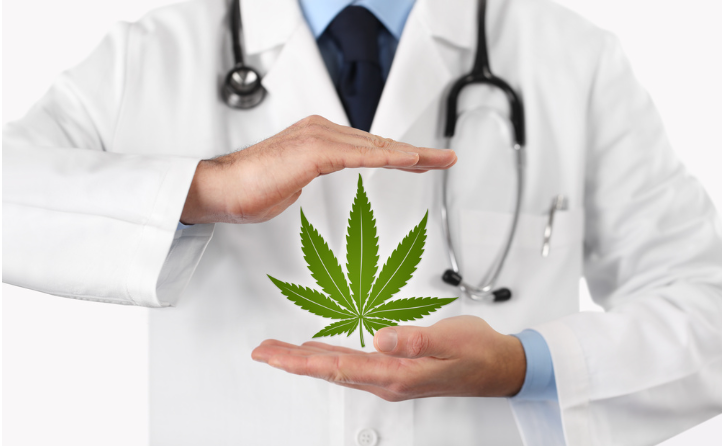
If you are a legal adult in the state of Utah and have been diagnosed with a qualifying condition, you are eligible to use medical cannabis with a doctor’s recommendation. But what if you are not a legal adult? Then, medical cannabis is generally off limits to you.
There are exceptions, according to the operators of the Beehive Farmacy in Salt Lake City. As a medical cannabis pharmacy, Beehive dispenses medical cannabis products to patients with active medical cards. They explain that kids can use medical cannabis under certain circumstances. However, they need permission from the state’s Compassionate Use Board. Visit Beehive Farmacy for more.
Have you ever wondered why states do not allow kids to use medical cannabis? First, Utah is not alone in its prohibition. Most cannabis-friendly states have similar prohibitions in place. Second, there is a very good reason for those prohibitions.
The Risk of Adverse Consequences
Although cannabis proponents tend to downplay the potential negative consequences of consumption, the consequences are still real. They are even more real for young people. According to a study recently published in the JAMA Psychiatry journal, kids who begin using cannabis during their early teen years are at a significantly higher risk of developing both mental and physical health problems later on.
The study followed nearly 1,600 individuals in age groups ranging from preteen to 23 years of age. Study participants were assessed in terms of both mental and physical health at various stages. Without getting into the details, here is what they discovered about kids who use cannabis prior to age 15:
- They were 1.6 times more likely to need future mental healthcare.
- They were 2 times more likely to need future physical healthcare.
Researchers also considered extenuating circumstances, like a study participant’s home life. Even when accounting for such circumstances, it was clear that teenagers were more likely to access both mental and physical health services.
THC and Its Impacts on the Brain
The dangers THC poses to young people is related to how their brains process the drug. THC creates a high by binding to certain receptors in the brain. But a teenager’s brain is still developing. It does not handle THC the same way an adult brain does.
According to researchers, this reality explains why cannabis-using teenagers are more likely to experience mental health problems like depression and anxiety. In addition, THC can impair a teenager’s cognition, leading to injury-causing accidents.
Finally, the research seems to back up previous assertions that young people who regularly use cannabis are more likely to develop long-term problems with their memory, cognition, and critical thinking skills.
When Medical Cannabis Would Help a Child
Despite the risks, there are cases in which medical cannabis would legitimately help a child. One case that immediately comes to mind is treating a seizure disorder with cannabis. Ironically, the FDA has already approved a cannabis-derived drug for epilepsy.
That notwithstanding, the consensus is that seizure relief outweighs any potential risks medical cannabis might pose to a child. A child with epilepsy already faces significant challenges on a daily basis. Therefore, the risk of using cannabis at a young age carries less weight.
There is a lot more to be said on this issue than can be discussed in a single blog post. But if you are the parent of a child suffering from a medical condition that could be relieved with medical cannabis, do not give up hope. Check your state’s laws. Medical cannabis may still be accessible to you and your child under the right circumstances. Otherwise, it is normally off limits to kids.