

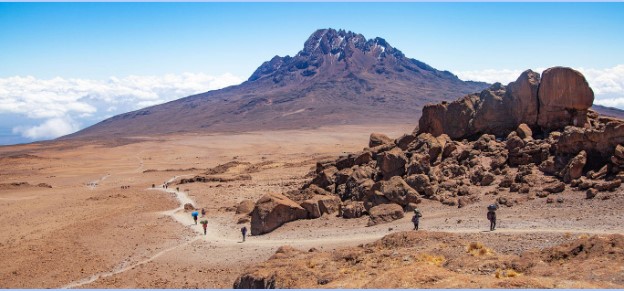
The decision to climb Kilimanjaro often begins with a photograph—a snow-capped mountain rising impossibly from the African savanna, its glaciers gleaming in equatorial sunlight. For thousands of adventurers each year, that image transforms into an irresistible calling. Mount Kilimanjaro stands not just as Africa’s highest mountain at 5,895 meters, but as a symbol of human aspiration, where ordinary people discover extraordinary capabilities within themselves. This comprehensive guide explores everything you need to know about climbing this magnificent mountain, from selecting your path to standing triumphantly on the Roof of Africa.
The Kilimanjaro Experience: What Makes It Special
Mount Kilimanjaro occupies a unique position in the world of mountaineering. Unlike the Himalayas, Andes, or Alps, this stratovolcano requires no ropes, crampons, or ice axes under normal conditions. The mountain’s non-technical nature means that determination and proper preparation matter more than years of climbing experience or specialized skills.
What truly sets Kilimanjaro apart is its ecosystem diversity. Your journey compresses what would normally require traveling thousands of kilometers into a single week-long trek. Beginning in tropical rainforest where humidity soaks your clothing and exotic birds call from the canopy, you’ll progress through distinct zones: heath and moorland dotted with giant lobelias, alpine desert where little survives the harsh conditions, and finally the arctic summit zone where ancient glaciers defy their equatorial location.
The mountain’s isolation amplifies its visual impact. Rising 4,900 meters above the surrounding plains, Kilimanjaro dominates the landscape for over 160 kilometers in every direction. This freestanding nature creates unique weather patterns and an emotional intensity—you’re constantly aware of the challenge ahead as the summit looms ever larger with each day’s progress.
Kilimanjaro also offers cultural richness rarely found on other major peaks. The Chagga people have lived on the mountain’s slopes for centuries, cultivating coffee and bananas while maintaining deep spiritual connections to the mountain they call “Kilema Kyaro” (Mountain of Greatness). Your climb directly impacts local communities, with thousands of Tanzanians earning livelihoods as guides, porters, and support staff.
Planning Your Kilimanjaro Adventure
Successful Kilimanjaro climbs begin with thoughtful planning months before departure. Several critical decisions shape your experience and determine whether you’ll join the roughly 65% who reach Uhuru Peak or return without summiting.
Selecting Your Climbing Season
Kilimanjaro can be climbed year-round, but timing significantly affects conditions and experience quality. Two primary climbing windows offer optimal weather: January through early March and late June through October. The January-March period provides exceptionally clear conditions with cold, stable weather perfect for photography and summit success. June-October coincides with Tanzania’s main dry season, offering reliable conditions but attracting the highest climber numbers.
The intermediate months present trade-offs worth considering. April and May bring long rains that transform trails into muddy challenges while obscuring views with persistent clouds. However, these months offer dramatic advantages: nearly empty trails, significantly reduced costs, and the rainforest explodes into spectacular bloom. November experiences shorter rains with similar benefits. Experienced hikers comfortable with adverse conditions often prefer these shoulder seasons for their solitude and natural beauty.
Route Selection Strategy
Seven established routes lead to Uhuru Peak, each offering distinct advantages and challenges. Your choice profoundly impacts summit success, cost, scenery, and overall experience.
The Lemosho Route represents many experts’ top recommendation. This eight-day western approach provides optimal acclimatization through gradual elevation gain and strategic overnight stops. The route showcases Kilimanjaro’s finest wilderness, crossing the expansive Shira Plateau before joining the popular Machame Route for the final approach. Success rates consistently exceed 90% due to superior altitude adaptation time. The remote trailhead and extended duration increase costs, but most climbers consider the investment worthwhile.
Machame Route’s popularity stems from its excellent balance of challenge, scenery, and success rates. The six to seven-day “Whiskey Route” employs effective “climb high, sleep low” principles while traversing diverse terrain including the famous Barranco Wall—a scrambling section requiring hands and feet but no technical gear. Expect numerous other climbers, but well-maintained infrastructure and experienced guides compensate for reduced solitude.
The Northern Circuit offers Kilimanjaro’s longest and newest route, circumnavigating the mountain over nine days before summiting from the north. This extended itinerary provides exceptional acclimatization and the highest success rates approaching 95%. The route explores rarely visited northern slopes while avoiding crowds endemic to southern approaches. Premium pricing reflects the additional days, remote location, and exclusive experience.
Rongai Route approaches from the north near Kenya, presenting Kilimanjaro’s only path from the drier northern slopes. This makes it ideal during rainy seasons when southern routes become problematic. The gentler gradient and straightforward navigation suit less experienced hikers, though scenery lacks the dramatic variety of western routes. Using different ascent and descent paths provides varied perspectives absent from Marangu’s single-route system.
The Marangu Route, Kilimanjaro’s oldest path, offers the sole option with hut accommodation instead of camping. Sleeping in bunks with solid roofs appeals to those uncomfortable with tents, but the standard five to six-day itinerary provides inadequate acclimatization, resulting in success rates around 50-60%. The convenience comes at the cost of lower summit odds.
Operator Selection Criteria
Your tour operator choice may prove more important than route selection. The climbing industry includes excellent companies committed to safety and ethics alongside budget operators cutting corners to reduce prices.
Evaluate operators using multiple criteria. Verify Kilimanjaro Porters Assistance Project (KPAP) partnership status, indicating commitment to ethical porter treatment including proper equipment, fair wages, and adherence to weight limits. Examine detailed itineraries showing realistic daily distances and elevation profiles. Investigate guide qualifications—lead guides should hold Wilderness First Responder certification minimum, with Wilderness EMT preferred. Review equipment lists carefully; quality operators provide comprehensive gear specifications and rental options.
Online reviews offer valuable insights but require careful evaluation. Look for patterns across multiple platforms rather than isolated complaints. Recent reviews matter more than historical feedback, as company quality can change with ownership or management shifts. Direct conversations with previous clients provide the most reliable information—reputable operators readily provide references.
Physical and Mental Preparation
Kilimanjaro demands comprehensive preparation addressing both physical fitness and psychological readiness. While the trek requires no technical skills, underestimating preparation needs leads to unnecessary suffering and potential failure.
Building Physical Foundation
Begin structured training at least twelve weeks before departure, ideally four to six months for optimal preparation. Cardiovascular endurance forms your fitness foundation, as Kilimanjaro success depends on sustained aerobic output over multiple consecutive days at altitude.
Hiking represents the ideal training modality, closely replicating actual climb demands. Start with local trails, gradually increasing distance, elevation gain, and pack weight. Progress to full-day hikes covering 15-20 kilometers with 1,000+ meters elevation gain while carrying a 6-8 kilogram pack. If you lack access to hills or mountains, maximize stair climbing—many successful Kilimanjaro climbers train on stadium bleachers or tall buildings, building the specific leg strength required for sustained uphill effort.
Supplement hiking with complementary activities. Running develops cardiovascular capacity and mental toughness through sustained discomfort. Cycling builds leg endurance while minimizing impact stress. Swimming provides full-body conditioning with zero joint impact, ideal for recovery days between harder sessions.
Strength training prevents injury while improving efficiency. Focus on exercises mimicking climbing movements: lunges, step-ups, squats, and single-leg balance work. Core strength stabilizes your body on uneven terrain and supports your pack. Don’t neglect upper body work—trekking poles reduce leg fatigue but require arm and shoulder endurance over extended use.
Psychological Preparation
Mental preparation receives insufficient attention despite proving equally crucial for summit success. Summit night will test your psychological resilience when exhaustion, cold, altitude symptoms, and darkness conspire to break your will.
Develop mental toughness through progressive challenge. Push beyond comfort zones in training—continue hiking when tired, embrace poor weather conditions, and practice positive self-talk during difficult moments. Visualization techniques help prepare for summit night’s intensity. Spend time imagining the complete experience: the midnight departure, relentless switchbacks, extreme cold, gasping for air in the thin atmosphere, and the overwhelming desire to quit. Visualize yourself pushing through these challenges, using breathing techniques and positive affirmations to maintain forward progress.
Understand that discomfort is temporary and expected. Every successful climber experiences the same doubts and physical distress. The difference between summiting and turning back often reduces to mental resilience—the willingness to accept present discomfort for future reward. Reading summit accounts and watching documentaries helps normalize the challenge while providing practical insights into what you’ll experience.
Essential Gear and Packing Strategy
Proper equipment can determine whether your Kilimanjaro experience becomes a triumph or an ordeal. The mountain’s extreme environmental variations demand versatile gear performing across multiple climate zones from tropical to arctic conditions.
The Layering System
Mastering layering principles is essential for comfort and safety. Your system should provide flexibility to adapt quickly to temperature changes occurring throughout each day and across elevation zones.
Base layers form your foundation, worn directly against skin to wick moisture away from your body. Choose merino wool or synthetic materials—never cotton, which retains moisture and causes dangerous heat loss. Pack both lightweight base layers for lower elevations and midweight versions for higher camps and summit night. Bring multiple sets to maintain hygiene and ensure dry options.
Mid-layers provide insulation through trapped air. Fleece jackets offer excellent warmth-to-weight ratios, breathability, and continued insulation when damp. Down jackets provide superior warmth for their weight but lose insulating properties when wet. Bring at least one heavy fleece and one insulated jacket, with consideration for a second down jacket for summit night’s extreme cold.
Outer layers protect against wind and precipitation. Your hardshell jacket and pants must be genuinely waterproof with sealed seams, not merely water-resistant. Quality matters enormously—cheap rain gear fails when you need it most. Pit zips and ventilation features help regulate temperature during exertion while maintaining weather protection.
Critical Equipment
Boots represent your most important single purchase. They must be waterproof, provide excellent ankle support, and be thoroughly broken in before the climb. Many climbers prefer insulated boots for summit night warmth, though non-insulated boots with thick socks work if properly sized. Prioritize fit over all other factors—blisters and hot spots can end your climb as surely as altitude sickness.
Your sleeping bag should be rated to at least -10°C (14°F), preferably -15°C for comfort during summit night when temperatures may exceed rating limits. Down bags provide superior warmth-to-weight ratios and compress smaller but lose insulation when wet. Synthetic bags maintain warmth when damp and cost less but weigh more and occupy more pack space. A quality sleeping pad with high R-value (4.0+) insulates you from cold ground while dramatically improving sleep quality—critical for acclimatization and recovery.
Trekking poles reduce knee stress by 25% or more while improving balance on uneven terrain. Adjustable poles accommodate varying terrain angles, while shock-absorption features protect joints during descent. Practice using poles before the climb to develop proper technique maximizing their benefits.
Don’t overlook smaller items that significantly impact comfort and safety. High-quality sunglasses with wraparound protection and UV400+ rating shield eyes from intense radiation amplified by altitude and snow reflection. Broad-spectrum sunscreen (SPF 50+) prevents painful burns from solar radiation that intensifies with elevation. A reliable headlamp with spare batteries and backup light source is essential for summit night and camp tasks. Bring a durable water bottle or hydration system holding at least 3 liters, as dehydration dramatically increases altitude sickness risk.
Managing Altitude and Health
Altitude presents Kilimanjaro’s primary challenge, requiring understanding and respect to manage effectively. As you ascend, atmospheric pressure decreases, reducing oxygen availability with each breath. At Uhuru Peak, you’re breathing air containing only 49% of the oxygen present at sea level.
Understanding Altitude Illness
Acute Mountain Sickness (AMS) represents the most common altitude-related condition, affecting approximately 75% of Kilimanjaro climbers at some point. Symptoms include headache, nausea, loss of appetite, dizziness, fatigue, and sleep disturbance. Mild symptoms are normal during acclimatization and don’t necessarily indicate problems. However, severe or worsening symptoms demand immediate attention and potential descent.
High Altitude Pulmonary Edema (HAPE) and High Altitude Cerebral Edema (HACE) represent life-threatening conditions requiring immediate descent and emergency evacuation. HAPE symptoms include severe shortness of breath at rest, coughing up pink frothy sputum, chest tightness, and extreme fatigue. HACE manifests as severe headache unresponsive to medication, confusion, loss of coordination, and altered consciousness. These conditions can progress rapidly from mild symptoms to life-threatening crisis.
Understanding warning signs allows early intervention. Headaches that worsen despite medication, nausea preventing eating or drinking, difficulty breathing at rest, and changes in mental status or coordination all indicate potentially serious altitude illness. Never ignore symptoms or push through worsening conditions—pride or summit desire must never override safety.
Acclimatization Strategies
Proper acclimatization cannot be rushed regardless of fitness level. Elite athletes experience altitude sickness as readily as casual hikers if they ascend too quickly. Your body needs time for complex physiological adaptations including increased red blood cell production, enhanced capillary networks, and modified breathing patterns.
The “climb high, sleep low” principle accelerates acclimatization by exposing your body to higher elevations during the day while allowing recovery at lower camps overnight. This strategy underlies route design on quality itineraries, explaining why longer routes achieve dramatically higher success rates despite requiring more physical effort.
Hydration profoundly impacts altitude performance and acclimatization. Aim for 4-5 liters of fluid daily, substantially more than sea-level requirements. The dry mountain air and increased respiration cause significant fluid loss through breathing alone. Proper hydration helps prevent AMS, maintains energy levels, improves cognitive function, and supports your body’s altitude adaptation mechanisms. Monitor urine color—it should remain pale yellow indicating adequate hydration.
Maintain steady effort without overexertion. The Swahili phrase “pole pole” (slowly, slowly) captures the appropriate pace. Moving too quickly increases oxygen demand, hinders acclimatization, and depletes energy reserves needed for summit night. Resist competitive urges to pass other groups or reach camps quickly. The tortoise-and-hare dynamic proves remarkably consistent on Kilimanjaro—those moving steadily and sustainably typically summit, while aggressive early pacers often struggle later.
The Summit Push: Your Ultimate Test
Summit night represents the defining challenge of climbing Kilimanjaro. Beginning around midnight, you’ll trek 6-8 hours through darkness to reach Uhuru Peak shortly after sunrise. This timing ensures optimal conditions: the steep final scree section remains frozen providing stable footing, while descent occurs as temperatures rise and footing deteriorates.
Preparation begins the evening before. Eat dinner even without appetite—your body needs fuel for the massive effort ahead. Organize gear for quick midnight departure: headlamp batteries tested, clothing layers readily accessible, water bottles insulated to prevent freezing, and snacks easily reached. Sleep proves difficult due to altitude and anticipation, but rest is still valuable. Many climbers sleep in base layers and warm socks to minimize pre-departure prep time.
The midnight departure feels surreal. Your world contracts to the small circle illuminated by your headlamp, the sound of your labored breathing, and the line of lights from climbers ahead and behind. Temperatures hover around -20°C (-4°F), with wind chill potentially dropping far lower. The thin air makes every step feel like three, and your oxygen-deprived brain struggles with tasks that would be trivial at sea level.
The route ascends through steep switchbacks across loose volcanic scree. Progress feels agonizingly slow as you pause every few steps to gasp for air. Your guide maintains a “pole pole” pace that seems impossibly conservative but prevents exhaustion. Mental discipline becomes everything—break the challenge into small increments, focus on the immediate next step rather than the distant summit, and use breathing techniques to maintain composure when panic threatens.
Reaching the crater rim at Stella Point or Gilman’s Point (depending on route) represents a major psychological victory. However, Uhuru Peak—the true summit—requires another 1-2 hours of relatively flat but high-altitude walking around the crater rim. Many climbers reach the rim but lack physical or mental reserves to continue. This final section demands pure willpower as exhaustion battles with so-close-yet-so-far frustration.
Standing atop Uhuru Peak as sunrise illuminates the glaciers and reveals the landscape falling away in all directions creates an indescribable emotional moment. Years of dreaming, months of preparation, days of effort, and hours of suffering crystallize into this singular achievement. The summit register, wooden sign, and surrounding glaciers provide tangible proof of your accomplishment, though the real victory exists in the journey itself.
Post-Summit Considerations
Your Kilimanjaro journey doesn’t end at Uhuru Peak. The descent requires 6-8 hours of careful downhill hiking that proves more dangerous than ascent. Exhaustion, euphoria, and depleted mental resources increase injury risk. Loose scree allows rapid progress through controlled sliding, but maintaining balance and protecting knees requires concentration. Trekking poles become invaluable during this punishing descent, reducing impact forces that would otherwise destroy your knees.
Allow adequate recovery time after your climb. Your body has endured extreme stress requiring rest, proper nutrition, and gentle activity. Many climbers underestimate post-climb fatigue, attempting to immediately return to normal activities. Plan at least 2-3 rest days before flights or demanding activities.
Consider extending your Tanzania visit to explore the country’s remarkable additional attractions. Serengeti National Park offers world-class wildlife viewing with the Great Migration’s millions of wildebeest and zebra. Ngorongoro Crater provides a natural amphitheater containing Earth’s densest large mammal populations. Zanzibar’s pristine beaches, historic Stone Town, and rich Swahili culture create perfect environments for recuperation and reflection.
The experience of climbing Kilimanjaro often catalyzes lasting life changes. Many climbers report enhanced self-confidence from achieving something they previously considered impossible. The mountain teaches patience, humility, persistence, and the power of incremental progress toward distant goals—lessons applicable far beyond mountaineering. The friendships forged with fellow climbers and Tanzanian crew members often endure for years, united by shared challenge and mutual support during difficult moments.
Conclusion
To climb Kilimanjaro is to undertake one of Earth’s most accessible yet profound adventures. This magnificent mountain challenges thousands annually to discover capabilities they didn’t know they possessed, test their limits against altitude and exhaustion, and experience natural beauty ranging from tropical rainforest to arctic glaciers. The journey demands no technical climbing skills but requires thorough preparation, intelligent decision-making, and unwavering determination when every fiber of your being begs you to quit.
Success means different things to different people. For some, only standing atop Uhuru Peak constitutes success. Others find equal value in the attempt, the lessons learned, and the person they discover within themselves during the struggle. Regardless of outcome, Kilimanjaro offers experiences and insights that resonate long after physical memories fade.
The mountain remains patient, timeless, and ready to test the next generation of dreamers who look at photographs of snow-capped peaks above African savannas and feel that irresistible pull toward something greater than themselves. Whether you ultimately stand at the summit or turn back before reaching it, the decision to climb Kilimanjaro represents a commitment to push beyond comfort, embrace uncertainty, and discover what you’re truly capable of achieving.
Key Takeaways
Route Duration Directly Impacts Success: Eight to nine-day routes achieve 85-95% summit success rates compared to 50-60% for five to six-day routes. The additional acclimatization time justifies higher costs through dramatically improved summit odds and reduced altitude sickness severity.
Training Must Be Specific and Progressive: Begin preparing 12-16 weeks before departure with hiking-focused training that progressively increases distance, elevation gain, and pack weight. Cardiovascular endurance matters more than strength, as the climb demands sustained aerobic output over multiple consecutive days.
Acclimatization Cannot Be Forced: Altitude adaptation requires time regardless of fitness level. Follow the “climb high, sleep low” principle, maintain excellent hydration (4-5 liters daily), and never ascend with worsening altitude sickness symptoms. Descent is the only cure for severe altitude illness.
Equipment Quality Determines Comfort: Invest in proven gear rather than budget alternatives, particularly for boots, sleeping bag, and outer layers. Test all equipment thoroughly before departure—Kilimanjaro is not the place to discover gear failures. Proper layering systems allow adaptation to extreme temperature variations.
Mental Preparation Equals Physical Training: Summit night challenges psychological resilience more than physical capability. Develop mental toughness through visualization, understanding that discomfort is temporary, and practicing positive self-talk during training challenges. The difference between summiting and turning back often reduces to mental discipline.
Operator Selection Impacts Everything: Quality operators provide experienced guides, ethical porter treatment, proper equipment, and safety protocols that dramatically improve summit success and overall experience. KPAP partnership, comprehensive itineraries, and guide certifications indicate reputable companies worth premium pricing.
Summit Night Requires Special Preparation: The midnight-to-dawn summit push in -20°C temperatures and thin air represents the climb’s ultimate test. Organize gear carefully the night before, eat even without appetite, and mentally prepare for 6-8 hours of the most challenging hiking you’ll likely ever experience.
Cultural Sensitivity and Environmental Ethics Matter: Your climb impacts local communities and fragile ecosystems. Choose operators committed to fair porter treatment, follow Leave No Trace principles strictly, and tip generously to recognize the demanding work that makes your summit possible.
Frequently Asked Questions
How long does it take to climb Kilimanjaro?
Kilimanjaro routes range from five to nine days. Five to six-day routes reach the summit quickly but provide inadequate acclimatization time, resulting in 50-60% success rates. Seven to eight-day routes offer optimal balance with 80-90% success rates, while nine-day routes achieve 90-95% success rates. Budget an additional day on each end for travel to and from trailheads.
What is the minimum age to climb Kilimanjaro?
Tanzania National Parks Authority sets the minimum age at 10 years old. However, age alone doesn’t determine suitability—children must have appropriate maturity, fitness, and understanding of the challenge. Successful youth climbs require careful preparation, conservative itineraries, and close monitoring by experienced guides and parents.
Can I climb Kilimanjaro if I have no hiking experience?
While prior hiking experience isn’t mandatory, it significantly improves your enjoyment and success likelihood. Complete beginners can summit with proper preparation, but should invest extra time in training and consider longer routes for maximum acclimatization. Previous multi-day backpacking experience helps you understand your body’s responses to sustained exertion and camping conditions.
What vaccinations do I need for Tanzania?
Yellow fever vaccination is required if arriving from countries with yellow fever transmission risk. Typhoid, hepatitis A, and tetanus vaccinations are recommended but not mandatory. Malaria prophylaxis is advised for lowland areas though unnecessary on Kilimanjaro itself. Consult travel medicine specialists 6-8 weeks before departure for personalized recommendations based on your itinerary and health history.
How do I deal with bathroom facilities on the mountain?
Most camps have basic toilet facilities (simple pit toilets or long-drop latrines). Quality operators provide private portable toilets for their groups. Bring toilet paper, hand sanitizer, and personal hygiene supplies. During trekking days, bathroom breaks occur in designated areas behind rocks or vegetation following Leave No Trace principles.
What should I do if I get altitude sickness?
For mild symptoms (headache, nausea, fatigue), inform your guide immediately, increase hydration, slow your pace, and monitor symptom progression. Rest at your current elevation rather than ascending. If symptoms worsen despite these measures, descent becomes necessary. Severe symptoms including confusion, difficulty breathing at rest, or inability to walk straight require immediate descent regardless of summit proximity.
Are there rescue services if something goes wrong?
Reputable operators carry emergency oxygen, comprehensive first aid supplies, and satellite communication devices. Serious emergencies requiring evacuation are handled through helicopter rescue services, though weather conditions can delay response. This is why comprehensive travel insurance including high-altitude trekking coverage and emergency evacuation (covering costs up to $5,000+) is absolutely essential.
Can I rent gear in Tanzania or should I bring everything?
Quality operators offer gear rental for items like sleeping bags, trekking poles, and insulated jackets. However, critical personal items (boots, base layers, personal clothing) must be brought from home and properly broken in. Rental gear quality varies significantly—inspect everything carefully and ensure proper fit before beginning your climb.
What food is provided during the climb?
Operators provide all meals during the trek, typically including porridge or eggs for breakfast, packed lunches with sandwiches and snacks, and multi-course dinners with soup, main dishes, and hot drinks. Vegetarian, vegan, and dietary restriction accommodations are available with advance notice. Bring personal favorite snacks for energy during trekking and summit night.
How much weight will porters carry for me?
Standard porter weight limits are 15-20 kilograms per climber (including your duffel bag weight), though ethical operators may set lower limits. You’ll carry a daypack with personal items, water, snacks, extra clothing layers, and camera—typically 5-7 kilograms. Porters transport your main gear, sleeping bag, and clothing changes between camps, making the daily trek manageable despite the overall load required for multiple days.