

Introduction
To develop, stay competitive, and stay strong when the market changes, every modern organization needs solid business planning strategies. These corporate planning strategies are the basis for making decisions, using resources, and setting long-term goals. Organizational development helps set up a system where people, processes, and systems operate well together, in addition to planning. Plans that aren’t properly aligned don’t work, no matter how good they are. Using correct competition analysis methods is another important part. These approaches help organizations comprehend their outside world and make strategic changes. When all of these things work together, businesses can safely create a strong long-term business plan that promotes ongoing growth and success.
Making Business Planning Strategies Stronger
Setting clear goals, figuring out what risks there are, wisely allocating resources, and coming up with action plans that take the business forward are all parts of good Business planning strategies. These company planning tactics help businesses get ready for problems and make sure they spend their time on the best chances. They also help executives figure out what needs to be done right away and what can be built on for future growth. A strong plan creates a map that teams can use to stay on track and consistent. Companies stay in line with changes in the market and stay flexible in their approach when they constantly update their business plans. In the end, an organization’s long-term performance rests on how well it constructs, keeps an eye on, and improves its planning framework.
Setting Up Strong Foundations for Organizational Development
Organizational development is very important for successful businesses since it helps people work better together, work as a team, and come up with new ideas. Businesses can find talent gaps, improve communication, and build leadership pipelines by using organizational development techniques. These techniques provide employees more influence and make sure that the company’s aims are supported by the way it is set up. Organizational development helps build a strong culture that makes people more engaged and less likely to leave, which leads to higher production levels. Companies can improve their internal operations by using the same training programs, performance reviews, and workflow assessments over and over again. Over time, organizational development helps companies stay ahead of the competition by promptly adapting to changes in their market.
Using competitive analysis to look at the market
Every business needs to employ competition analysis tools to learn about its competitors, find new market opportunities, and make better strategic decisions. Some of these strategies for analyzing competitors are SWOT analysis, benchmarking, Porter’s Five Forces, and insights from customer research. Organizations can utilize accurate Competitive analysis methods to find out what makes their competitors strong or weak. They can then use that information to improve their marketing, product design, and pricing strategies. Businesses can also predict how customers will act and respond in the best way if they know about market trends. Companies that regularly apply Competitive analysis methods lower the amount of uncertainty, improve the performance of their products, and boost their chances of becoming market leaders. This method makes sure that businesses stay flexible and proactive in a world that is always evolving.
Making a long-term business plan for success that lasts
Companies need to create a clear long-term business strategy that drives big choices and future investments if they want to be competitive for decades. A good long-term business plan includes predicting changes in the economy, planning for new ideas, and keeping an eye on industry trends. Leadership teams need to think about how what they do today will affect the results of tomorrow and make sure that their operations are in line with that. It’s easier to create budgets, performance objectives, and keep track of progress when you have a clear long-term business strategy. Companies that consider about the long term can do better than those who solely care about short-term profits. Companies may stay relevant and confident even when things are unpredictable by developing a future-ready mindset.
Putting Everything in Place for Growth
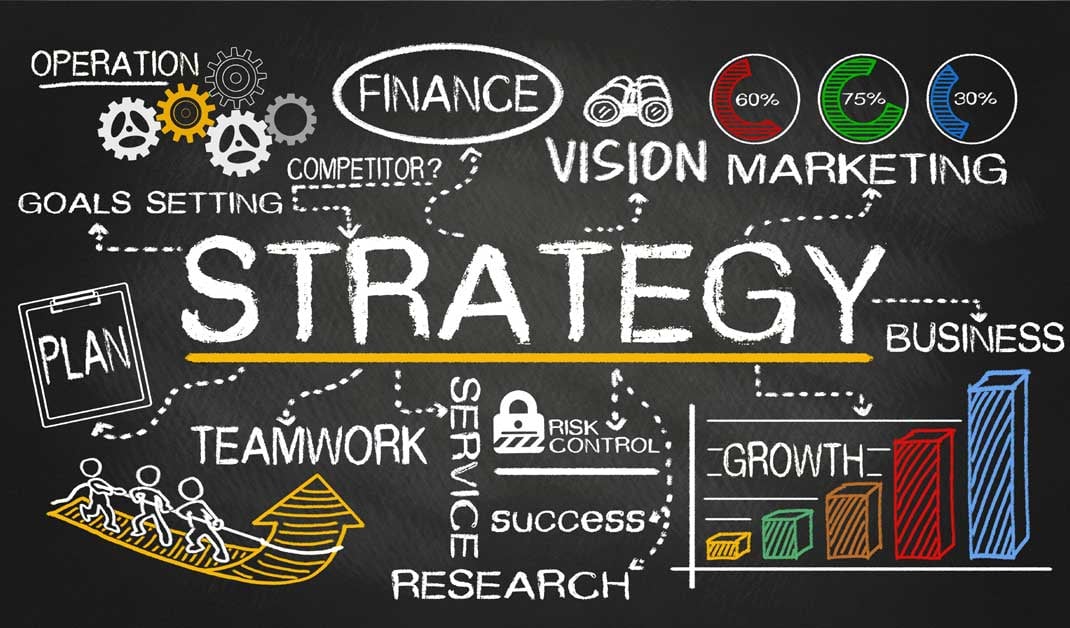
When Business planning strategies, organizational development, Competitive analysis methods, and long-term corporate strategy all work together, growth happens. Planning helps set a course, and organizational development makes people and systems stronger. Long-term initiatives help the overall mission, while competitive analysis shows where the market is open. The business grows stronger and more future-proof when all of these things function together.
In conclusion
No business can do successfully in today’s fast-changing market without good Business planning strategies, good organizational development, precise methods for analyzing the competition, and a well-thought-out long-term business strategy. These parts make a systematic roadmap for growth that helps businesses stay competitive and flexible. Companies can develop a strong base for long-term success by constantly improving their internal processes, studying the market, and making plans for the future. This all-in-one approach makes sure that the firm is ready for both current problems and future chances with confidence.